
The Counsel General for Wales, Rt Hon Elfyn Llwyd, has unveiled a new programme to make Welsh law more accessible, just weeks after outlining his ambitions for a distinct, bilingual and more accessible body of Welsh law at the Legal Wales Conference 2026 in Cardiff.
The programme, laid before the Senedd today (21 October), marks 15 years since former First Minister Carwyn Jones first outlined ambitions for an accessible and bilingual Welsh statute book at the Legal Wales Conference in October 2011.
In his written statement, the Counsel General specifically referenced that landmark address, highlighting the progress made in developing a distinct body of Welsh legislation and the importance of ensuring that laws made in Wales can be easily found, understood and used.
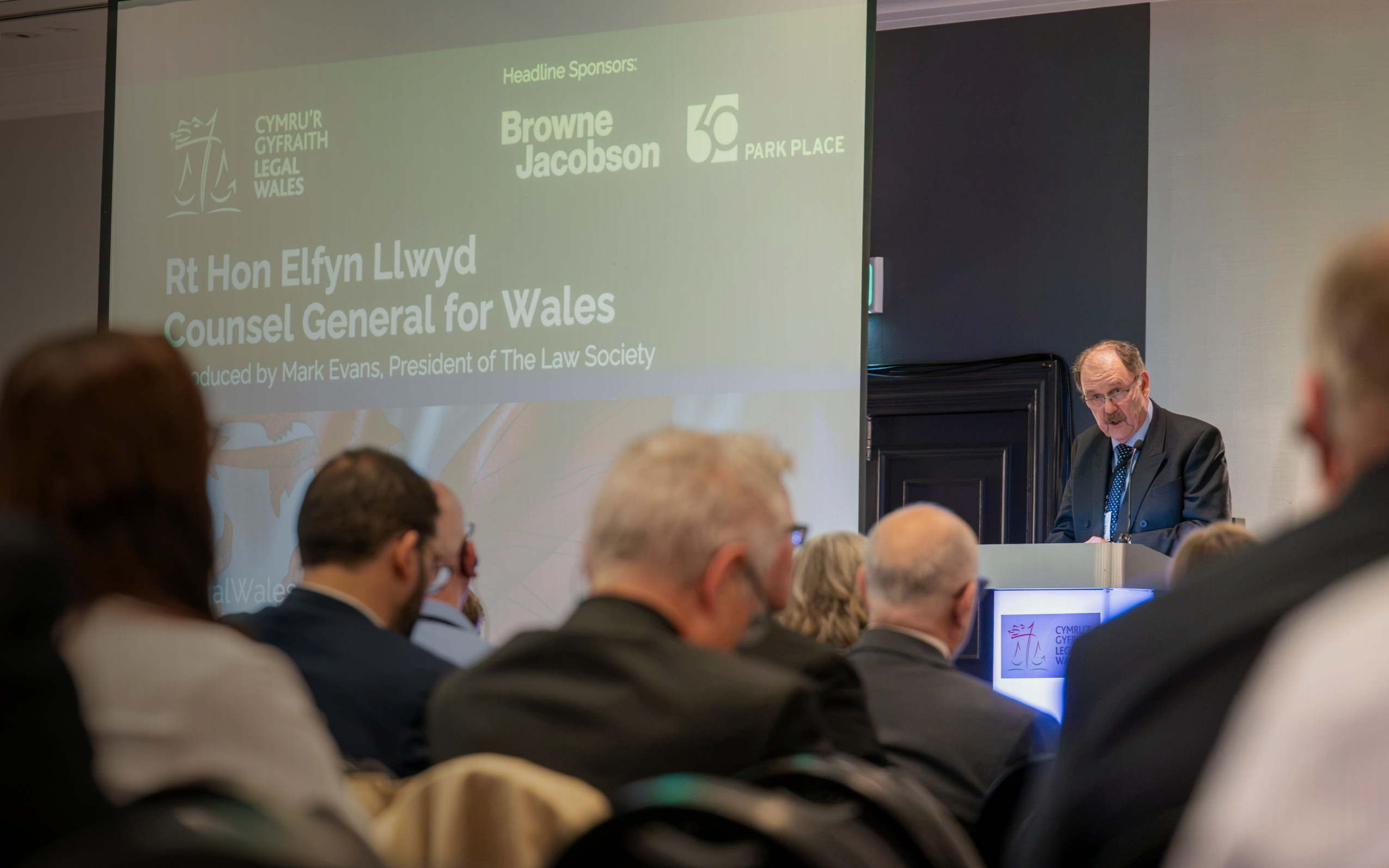
The announcement also follows his closing address to delegates at the Legal Wales Conference 2026, held at the Cardiff Marriott Hotel on 9 October, where he previewed the programme and set out his wider vision for the future of Welsh law and justice.
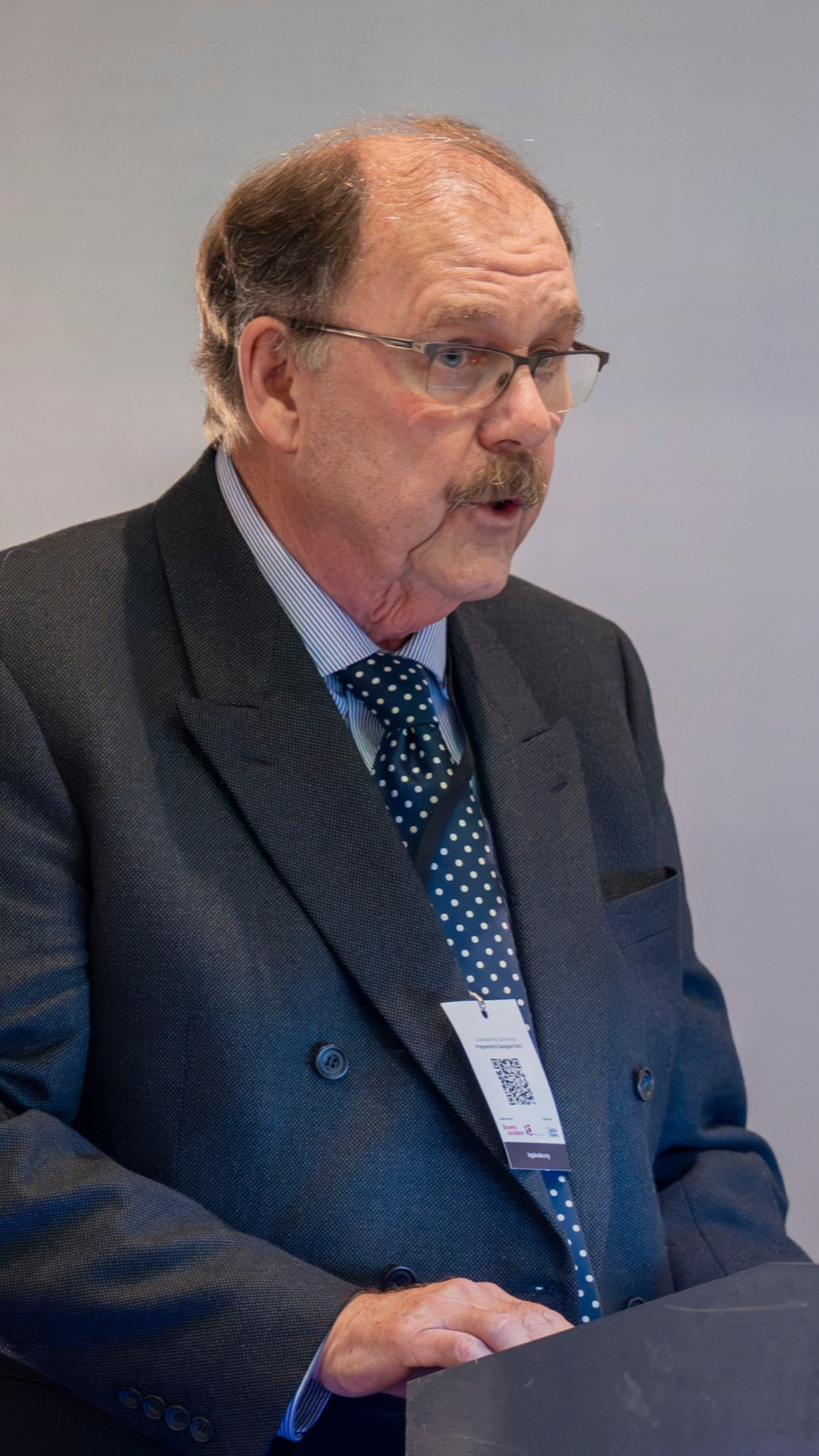
Speaking at the conference, Elfyn Llwyd said:
“Ultimately, this programme is not just about tidying up legislation, important though that is. It is about helping Welsh law to be recognised and used as a body of law in its own right. Bilingual. Accessible. And connected to the people and places it serves.”
He told delegates that improving access to Welsh law was both a constitutional responsibility and a practical necessity, stressing the importance of making legislation easier to navigate as Wales’ body of distinct law continues to grow.
New priorities for Welsh legislation
The Welsh Government’s second Programme to Improve the Accessibility of Welsh Law builds on work undertaken to consolidate and codify legislation in areas including planning, the historic environment and tourism.
The new programme includes plans to:
- Consolidate legislation relating to allotments.
- Codify wildlife management and forestry legislation.
- Establish a code of tribunals law.
- Begin consolidating and codifying agricultural legislation.
- Incorporate subordinate legislation into the existing Planning Code.
- Improve access to legal information, including explanatory materials, and address errors, ambiguities and obsolete provisions.
The programme also includes commitments to explore how technology, including artificial intelligence, can responsibly support the preparation, maintenance and understanding of legislation.
Further priorities include establishing authoritative Welsh legal terminology, publishing bilingual glossaries for new Codes of Welsh law and strengthening the practical use of Welsh in tribunals.
Legal Wales: 15 years of shaping the future of Welsh law
The connection between the latest programme and the Legal Wales Conference is particularly significant.
In October 2011, the now Lord Carwyn Jones of Penybont, addressed the conference as the then First Minister about the growing body of distinct Welsh law and the need to improve its accessibility, including through consolidation. (Lord Jones was the after dinner speaker at this year’s Legal Wales event.)
Fifteen years later, the current Counsel General used the same forum to outline the next stage of that ambition.
Addressing the 2026 conference, the Counsel General reflected on the role Legal Wales has played in bringing together practitioners, the judiciary, academics, government and the wider legal community to consider the future of law and justice in Wales. He said:
“The strength of Legal Wales lies in that collective contribution. Practitioners. The judiciary. Academics. Government officials. And colleagues from across the wider legal community, coming together to reflect on the issues that matter for Wales.”
He also emphasised that the future of justice in Wales could not be shaped by one institution alone, but depended on sustained partnership across the legal community.
During his address, the Counsel General confirmed that he would shortly lay the new accessibility programme before the Senedd. He told delegates:
“Consolidation and codification remain central to this work. But I also want Wales to make better use of technology to help people find, understand and navigate the law.”
The publication of the programme now puts further detail behind those ambitions.
Wider ambitions for Welsh justice
At Legal Wales 2026, the Counsel General also placed the accessibility of Welsh law within a broader discussion about the future of justice and legal services in Wales.
His address covered the development of a distinctly Welsh approach to justice, the importance of bilingual legal services, access to legal advice, the sustainability of the Welsh legal profession and the proposed reform of devolved tribunals.
He highlighted plans for a Tribunals Bill early in the current Senedd term, including proposals for a more coherent tribunal structure and the creation of a Welsh appeal tribunal.
The Counsel General also welcomed the Law Society’s recent practice note highlighting differences between Welsh and English law, while emphasising that the development of Welsh legal institutions need not require separate professional qualification routes or regulators.
He stressed the importance of ensuring that legal professionals and the public could understand and engage with Welsh law in both national languages.
The latest accessibility programme complements those wider ambitions by seeking to create a more coherent and recognisable body of Welsh legislation.
‘A practical necessity’
In today’s written statement, the Counsel General described the programme as an important part of Wales’ continuing constitutional development. He said:
“The ability to make our own law carries with it a responsibility to care for that law: to ensure that it can be found, understood and used by the people whose rights and responsibilities it determines.”
He added that Wales was developing a distinct and codified body of law in two languages, drawing on its own legal traditions while creating a statute book capable of meeting modern needs.
The Counsel General acknowledged that the work of making Welsh law more accessible would extend beyond a single generation, and concluded:
“Our ambition remains straightforward: that the law made for Wales should be law that the people of Wales can easily identify, understand and use, in either of our national languages.”
The new programme represents the next stage in that process, building on commitments first articulated at Legal Wales 15 years ago and reinforced at this year’s conference.
View the 2026 Legal Wales Conference & Dinner delegate pack here.
___
Photography credit: Matthew Horwood Photography Ltd.