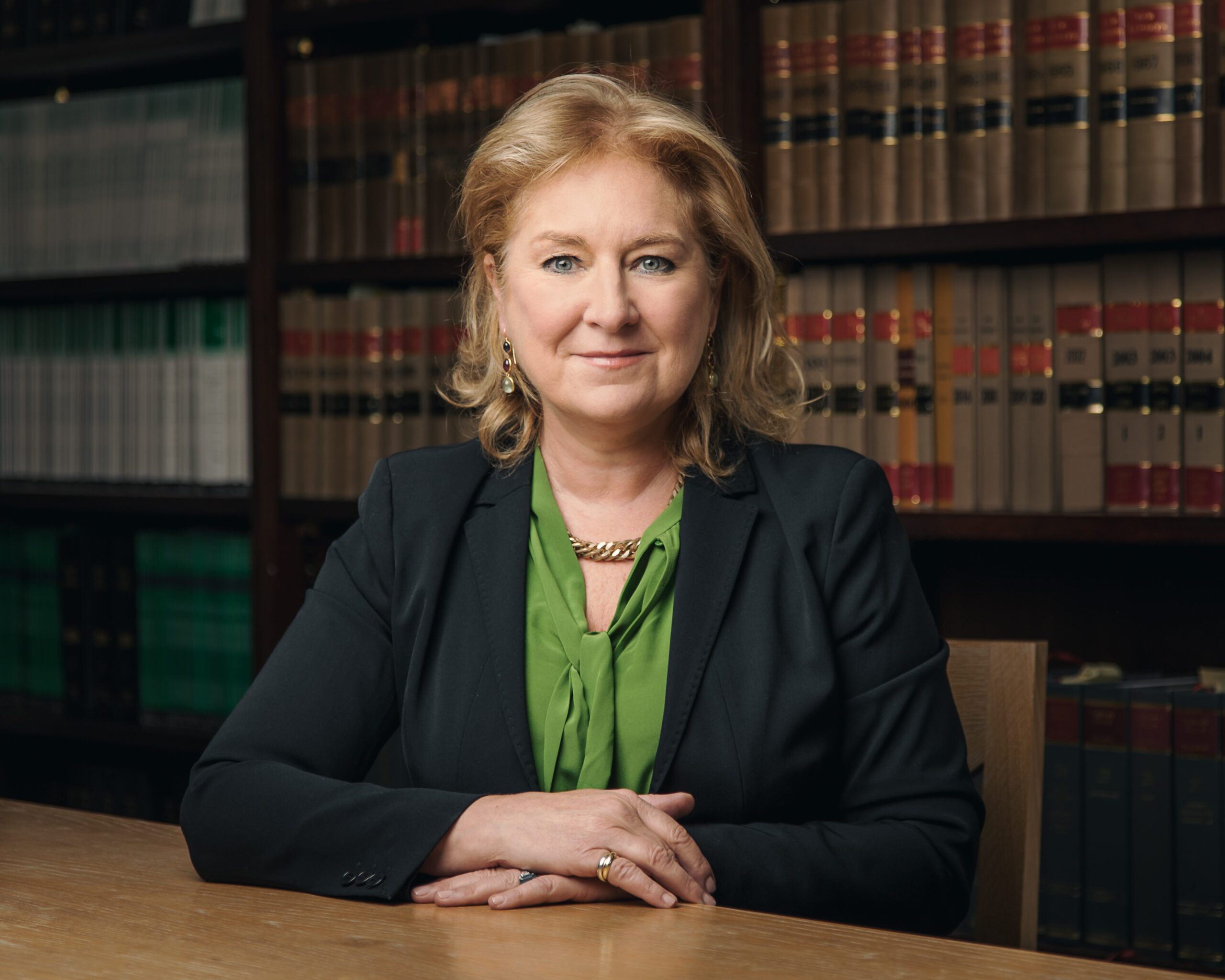
A £1.3 billion maintenance backlog across courts in England and Wales — including the Welsh court estate — was brought into sharp focus last week as The Rt Hon the Baroness Carr of Walton-on-the-Hill made a historic first appearance before a Senedd select committee.
Giving evidence to the Legislation, Justice and Constitution Committee, the Lady Chief Justice became the first holder of her office ever to formally address a Senedd committee, marking a significant moment in the evolving relationship between the judiciary and devolved Welsh institutions.
Much of the session centred on the urgent need for investment in the court estate, with committee members pressing the Lady Chief Justice on the condition, capacity and long-term sustainability of court buildings in Wales.
“The figure I have for the estimate of the maintenance backlog is £1.3 billion,” she told Members. “It is decades. It’s taken decades to get here.”
Asked specifically about court infrastructure in Wales — including long-standing plans for a new Civil Justice Centre in Cardiff — the Lady Chief Justice emphasised that meaningful progress depended on sustained capital funding. The LCJ said:
“Lord Thomas warned back in 2019 that the then facilities, the still current facilities, were quote, “unfit for purpose”. The capital city of Wales needs a court building suited to the trial of civil, administrative law and family cases. The current position in Cardiff is untenable. That was 2019. This is 2026. Things have not changed.
“It’s about having the money to invest in a proper, fit-for-purpose estate. There is a fresh sense of energy around the issue, but it is long overdue.”
Committee members questioned whether current facilities were capable of meeting modern justice needs, particularly outside major urban centres. In response, the Lady Chief Justice acknowledged that parts of the estate were difficult to manage and no longer suitable for contemporary court users.
“I make the case to government at every opportunity I have to invest in the estate across the board,” she said. “I make the case whenever I can, as best I can.”
Beyond the physical estate, Members also explored the impact of court backlogs and capacity constraints. When asked to prioritise between additional judges, staff or sitting days, the Lady Chief Justice was clear:
“We must be allowed to sit to maximum capacity … if you really, really ask me to choose, I would go for more sitting days.”
The evidence session also addressed the distinct legal and constitutional context of Wales, including the need for judges to be properly trained in Welsh legislation and the importance of Welsh-language capability within the judiciary.
Broader Themes: Language, Identity & Devolution
The session also addressed the distinct nature of the justice system in Wales. Lady Chief Justice Carr affirmed the importance of Welsh legal identity within the shared jurisdiction, stressing that judges must be trained in Welsh-specific law:
“All judges in England and Wales need to be trained on English and Welsh law … that was to give reassurance as there is fresh legislation coming in through the Senedd.”
On Welsh language capability, she acknowledged targeted recruitment for Welsh-proficient judges, while stressing ongoing efforts to strengthen understanding of Wales’ legal landscape across the judiciary.
Historic first
Committee Chair Mike Hedges welcomed the evidence session as an important illustration of judicial engagement with devolved governance, emphasising it would be broadcast live on Senedd TV. Lady Chief Justice Carr’s appearance was acknowledged inside the committee as a historic first, increasing visibility of the judiciary’s work and strengthening mutual understanding with Welsh democratic institutions.